If you've been researching roofing options, you've probably heard the pitch for metal roofing more than once. But there's a specific type of metal roofing that rarely gets the spotlight it deserves: stone coated steel. It's not standing seam. It's not corrugated. And it doesn't look anything like what most homeowners picture when they hear the word "metal roof."
Stone coated steel roofing is one of the most durable, weather-resistant roofing systems available — and it's been hiding in plain sight on millions of homes across North America for decades. Here's what it is, how it's built, and why it might be the last roof you ever need to buy.
The Basics: What Is Stone Coated Steel Roofing?
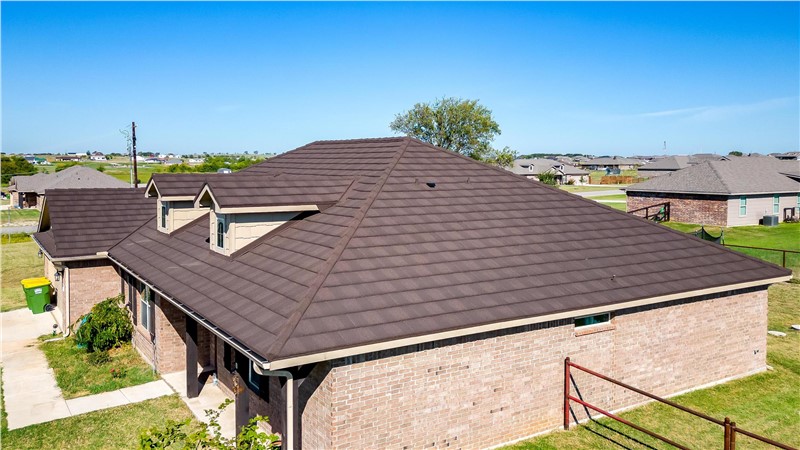 Stone coated steel roofing is a roofing system made from a solid steel core coated with an aluminum-zinc alloy, then finished with a layer of natural stone chips bonded to the surface with acrylic film. The result is a panel or tile that has the structural strength of steel with the texture and appearance of traditional roofing materials — shake, shingle, or clay tile.
The construction is straightforward but engineered with purpose:
- The steel core provides structural rigidity and impact resistance
- The aluminum-zinc alloy coating (often called Galvalume) protects against corrosion and rust
- The stone chip surface adds texture, color stability, and an additional layer of protection against UV degradation and physical impact
- The acrylic binder locks the stone chips in place and creates a waterproof barrier
Together, these layers create a roofing panel that weighs far less than concrete tile, outlasts asphalt by decades, and holds up under conditions that would destroy most other materials.
| The stone chip surface isn't just cosmetic — it absorbs and disperses impact energy, which is a key reason stone coated steel roofing consistently achieves Class 4 impact ratings, the highest available. |
How Is It Different from Standard Metal Roofing?
Standard metal roofing — standing seam, corrugated panels, or exposed fastener systems — is bare or painted metal. It performs well, but it looks like metal. That's a non-starter for many homeowners, particularly those in HOA communities or neighborhoods where traditional aesthetics are expected.
Stone coated steel bridges that gap. Because the panels are formed to replicate the profiles of shake, shingle, and tile, they read as traditional roofing from the street. The neighbor won't know. The HOA board won't object. But the storm doesn't get the same result it would from asphalt.
There's also a performance difference. Standard metal roofing can be noisy in heavy rain — a common complaint. The stone chip surface on stone coated steel absorbs sound, so the rain noise is dramatically reduced compared to bare metal panels.
Stone Coated Steel vs. Asphalt vs. Standard Metal: How They Compare
Here's how stone coated steel stacks up against the two roofing types most homeowners compare it to:
| Feature | Stone Coated Steel | Asphalt Shingles | Standard Metal |
| Lifespan | 50+ years | 15–20 years | 40–50 years (bare) |
| Wind resistance | CAT-5 rated | 60-70 mph typical | 130–160 mph typical |
| Impact rating | Class 4 | Class 1–2 | Class 4 (varies) |
| Fire rating | Class A | Class A | Class A |
| Weight | 1.4 lbs/sq ft | 2.0–2.5 lbs/sq ft | 1.0–1.5 lbs/sq ft |
| Salt air resistance | Excellent (Coastal Upgrade) | Poor | Good (aluminum) / Fair (steel) |
| Aesthetics | Shake, shingle, tile profiles | Flat / 3-tab look | Standing seam / flat |
| HOA friendly | Yes — mimics traditional styles | Yes | Often no |
The numbers tell a clear story: stone coated steel outperforms asphalt on almost every metric that matters for long-term value, and adds the aesthetic flexibility that standard metal lacks.
How TEK Industries® Builds Stone Coated Steel
Not all stone coated steel is manufactured the same way. TEK Industries® produces its roofing systems under the HURRICANE® product line, engineered specifically for high-wind and high-humidity environments — particularly the Gulf Coast and Atlantic markets where homeowners face the dual challenge of hurricane-force winds and salt air corrosion.
TEK's stone coated steel panels are built to withstand CAT-5 wind conditions and carry a Class 4 impact rating — the same designation required by insurers in many hail-prone markets. The HURRICANE® Coastal Upgrade adds an additional layer of corrosion protection specifically formulated for homes within proximity of salt water.
The product is available in three profiles:
- Metal Shingle — the closest aesthetic match to traditional asphalt shingles, ideal for HOA communities
- Metal Shake — a textured cedar shake profile for homes where a more natural, dimensional look is preferred
- Metal Tile — a low-profile tile shape that works particularly well with Mediterranean and Spanish-influenced architecture
| All three profiles use the same stone coated steel core — the style is surface-level. The performance underneath is identical. |
Is Stone Coated Steel Right for Your Home?
Stone coated steel is a strong candidate for most homes, but it's particularly well-suited to specific situations:
Great fit:
- Homes in hurricane or extreme weather areas
- Coastal homes where salt air accelerates corrosion in standard roofing materials
- HOA communities with aesthetic restrictions on metal roofing
- Homeowners planning to stay in their home long-term — the lifespan math works strongly in your favor
- Anyone coming off repeated asphalt replacements and looking for a permanent solution
The Long-Term Cost Argument
Upfront, stone coated steel will cost more than asphalt shingles. That's true, and there's no point pretending otherwise. But the math changes when you factor in lifespan.
A quality asphalt roof in a hot, humid climate might last 15–18 years before it needs replacement. A stone coated steel roof, properly installed, can last 50 years or more. That means the homeowner who installs asphalt today may replace their roof two or three times before the stone coated steel homeowner does it once.
Add in the potential insurance premium reductions from Class 4 impact ratings — available in many states — and the cost gap narrows further. Some homeowners in hail-prone markets recover a meaningful portion of the price difference in insurance savings alone within the first several years.
The Bottom Line
Stone coated steel roofing is what happens when the engineering demands of extreme weather meet the aesthetic expectations of real neighborhoods. It's not a compromise between performance and appearance — it's both, built into the same panel.
If you're replacing a roof in a storm-prone area, on a coastal property, or in a community where the look of the roof matters as much as its performance, stone coated steel is worth a serious look.
Comments